


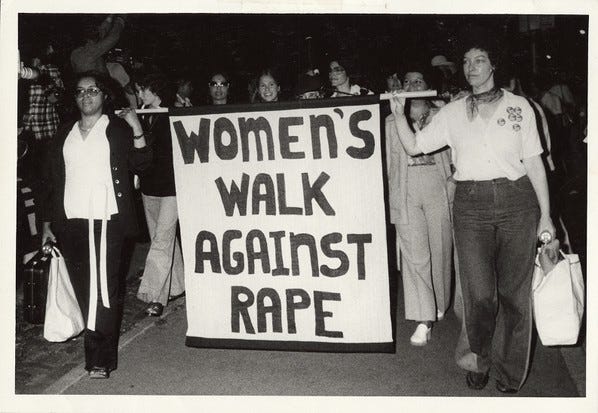
I’ve been thinking so much about all of you. Those have been speaking and writing about rape and sexual assault for decades. The survivors who bravely told their stories in the face of public doubt, shame, death threats, or losing their job. The journalists who investigated and were ignored. The activists who organized and protested. The advocates who spoke out at hearings, wrote policies, and conducted trainings about what consent means.
To the women who have dedicated their whole damn lives sounding the alarm, again and again: This is happening.
This is a love letter to you. Because as I’ve watched the outrage over the Cornell 7 unfold, I’ve also received countless texts, DMs, and comments from so many of you, expressing what’s underneath that rage: complete and utter exhaustion.
I feel it too. Like many of you, I was writing about sexual violence over twenty years ago. At Feministing, campus sexual assault was one of the issues we returned to over and over again. In 2010, I wrote about a report that found that when colleges did discipline students for sexual assault, the overwhelming majority of punishments were minor – like being asked to write apology letters or research papers. Expulsion was rare.
We wrote the stories. We published the statistics. We spoke out. We explained rape culture. We explained victim blaming. We explained why women don’t report. We explained why intoxication is not consent. We explained why institutions protect themselves. We explained why fraternities can become incubators for sexual violence. We explained why survivors’ memories may be fragmented. We explained why the question shouldn’t always be what she drank, wore, remembered, or said afterward.
There were marches and campaigns and congressional hearings and Title IX investigations and documentaries and hashtags. There was the #MeToo movement. And still, here we are.
The statistics haven’t budged. Up to 95 percent of college rapes still go unreported. Nearly one in four college-age women still experience sexual assault. The vast majority of college sexual assault cases still result in little to no consequences.
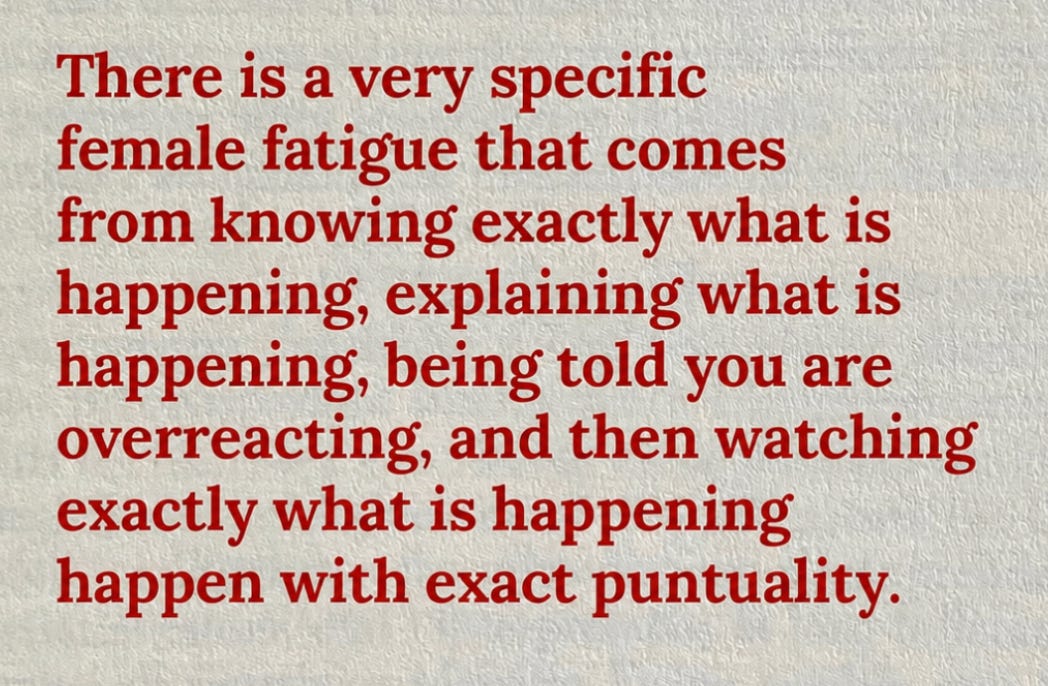
There is a particular kind of exhaustion that comes from being proven right about a global wrong that persists no matter how much you do. Generations of women who have worked to end sexual violence know it intimately.
But “we’re still here” isn’t quite the whole story either. We must remember this.
Because things have changed. There is language now that didn’t exist in the mainstream when many of us started doing this work. Survivors can find one another in ways they couldn’t before. Institutions can be forced to answer publicly for decisions that once happened quietly behind closed doors. And more men are speaking out, many of them loudly and publicly, about the fact that sexual violence is their problem to fix — not ours. That matters. (Let’s just hope they stay after the story stops trending.)
The fact that millions of people are outraged is not evidence that nothing changed. It is evidence that something did. This is, in part, the legacy of our work. Your work has not been for nothing.
So I find myself holding those two truths at once. We’ve changed the conversation, and yet we are still having the conversation. It’s a strange and often devastating tension to hold, too.
This is a love letter to everyone who said the words before the rest of the world was ready to hear them. You are allowed to be fucking tired. You are allowed to feel pride in what we’ve changed and grief about what hasn’t.
I love you. I am so grateful for you. Generations of survivors are grateful for you, and will be for generations to come.
It’s true that not enough has changed. But some things have because of you – and because of you, more can.